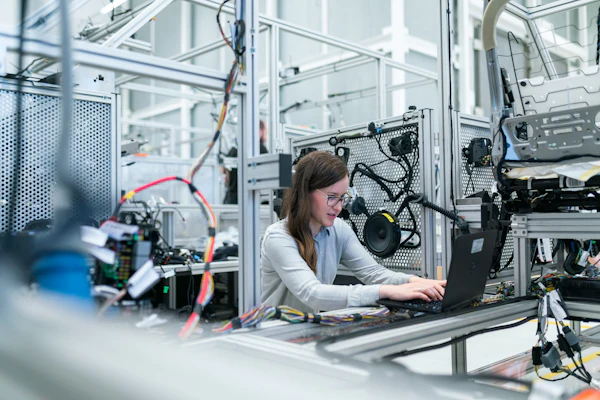
Visual quality inspection
Detect scratches, cracks, misprints and missing parts on production lines in real time.
 AI Solutions and IT Services Company

Object detection, visual inspection and video analytics trained on your images and deployed on cloud servers or edge devices.
Computer vision turns cameras and images into decisions: a defect caught on the line, a pallet counted at the dock, a safety rule checked on site. KenStack develops computer vision systems for manufacturers, logistics operators, retailers and construction firms in Singapore, the UK and other markets.
We start with a feasibility study on a sample of your images or video to show the accuracy that is realistic, then collect and label training data, train and evaluate models, and deploy them where they need to run. That may be a cloud API, an on-premise server or an edge device such as an NVIDIA Jetson next to the camera.
Vision systems that watch people carry privacy obligations under Singapore PDPA and UK GDPR. We design for clear purpose, minimal retention, blurring or anonymisation where possible and restricted access to footage, and document the approach so it can be reviewed before rollout.
Typical projects we deliver, each scoped around a measurable business result.
Detect scratches, cracks, misprints and missing parts on production lines in real time.
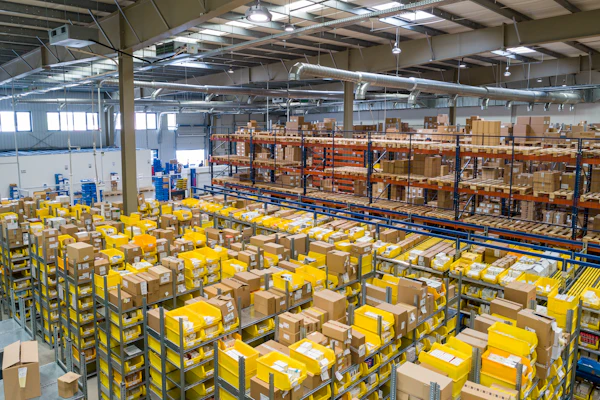
Count items, pallets and vehicles from cameras at docks, shelves and gates.
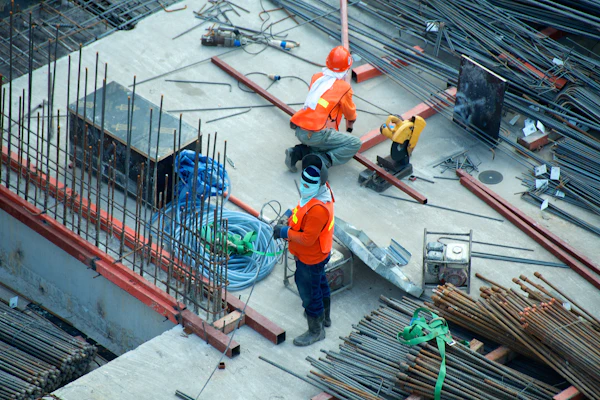
Flag missing helmets, vests or entry into restricted zones on sites and in plants.
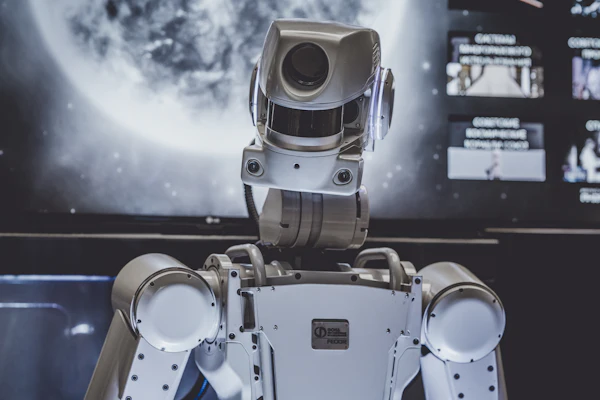
Read labels, serial numbers, meters and number plates from images and video.
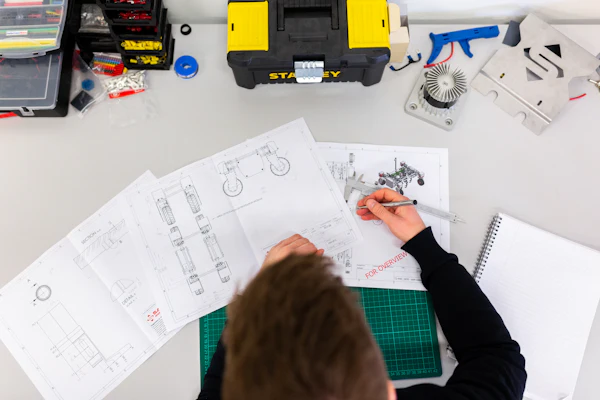
Measure areas, sizes and positions from images for construction, agriculture and healthcare.
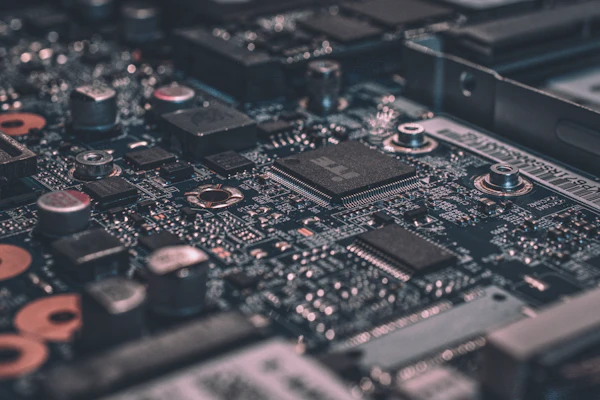
Models optimised to run on-device for low latency and no reliance on internet connectivity.
A free call and short audit to understand goals, users, data and constraints, ending in a clear scope and quote.
Wireframes, data model and technical plan reviewed with you before development starts.
Development in one to two week sprints with a working demo and your feedback each time.
Testing, deployment, training and a warranty period, then optional monthly support.
It depends on the task and how varied your images are. Many inspection and detection projects start with a few hundred to a few thousand labelled examples. The feasibility study tells you how much data is needed before a full build.
Yes. We optimise models to run on edge devices or on-premise servers, so video can be processed on site and only results or alerts leave the premises.
We measure precision and recall on images the model has never seen and agree an acceptance threshold with you before deployment. Accuracy is then monitored in production and the model is retrained as conditions change.
Usually, yes. We connect to IP cameras over RTSP and to many industrial cameras, and advise on camera placement, resolution and lighting when better images would improve accuracy.
Forecasting, classification and risk models trained on your business data, deployed behind an API and monitored as your data changes.
ExploreInvoices, forms and scanned documents read by AI, checked against your rules and posted straight into your ERP, CRM or accounting system.
ExploreAI features built into the software your team already uses, scoped around one business metric and shipped to production.
ExploreTell us what you want to achieve. In a free 30-minute call, on Singapore or UK time, we will suggest the right approach, scope and timeline.